9+ curated guides • Updated November 2025
That 70-inch TV for 50% off seems like a steal, but is it? Before you join the digital stampede, understand that many Black Friday 'deals' are designed to trick you into spending. We're here to reveal the psychological traps and perennial duds, ensuring the only thing you get this year is genuine value. Our analysis of multi-year pricing data and retail strategies shows that some of the most-hyped discounts are merely clever illusions. This isn't about skipping the sales; it's about navigating them with surgical precision, armed with data that retailers hope you'll ignore. We're pulling back the curtain on the products that consistently fail to deliver on their promises.
You found the perfect cloth hairband—the pattern is divine, the fabric is soft. You slide it on, feeling chic and put-together, but by lunchtime, the familiar, dull ache begins to throb behind your ears. What if the 'headband headache' isn't a necessary evil, but a design flaw you can finally outsmart? As a comfort connoisseur who has tested hundreds of accessories in my lab (also known as my walk-in closet), I can tell you that it is. The tension headache you associate with your favorite accessory is a completely solvable problem. It's not you; it's the band. This isn't just about style; it's about applying a little-known science to your daily wear. By understanding the biomechanics of comfort, you can decode the subtle signals of a well-designed hairband and finally achieve that elusive all-day, pain-free fit. We're about to bio-hack your accessory drawer, starting with the most notorious offender.
You've seen the perfectly stacked rings and mismatched earrings on your favorite K-drama leads, but what if they're more than just pretty details? Korean fashion treats accessories as a secret language, a form of silent storytelling that reveals character arcs and hidden emotions. This is about decoding the subtext woven into every chain, clasp, and charm. Forget fleeting trends; we are entering the realm of semiotics, where a single silver ring isn't just decoration—it's a deliberate piece of punctuation in a sentence you wear. It’s the difference between a statement and a question, a whisper and a declaration.
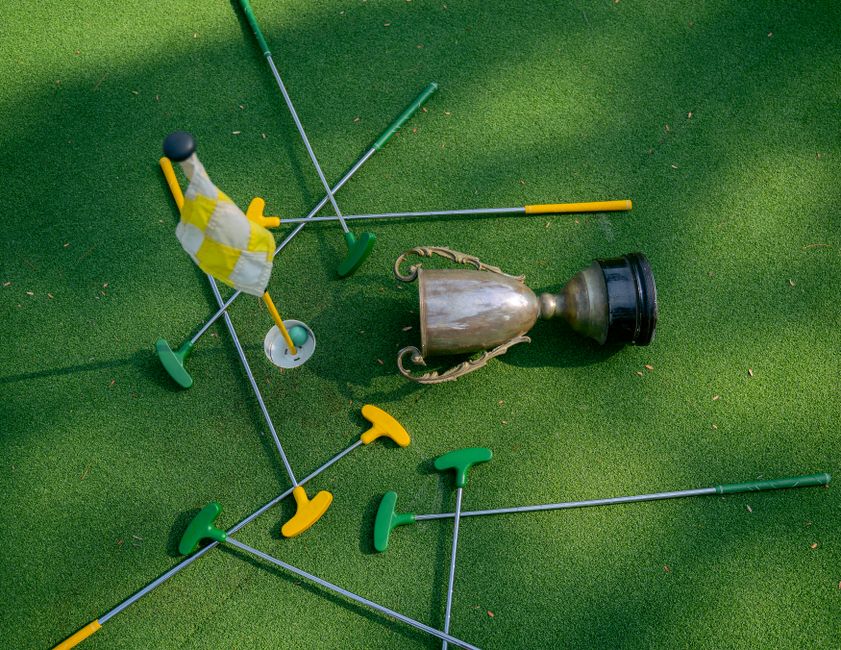
We meticulously track their box office numbers and streaming stats, but the truest measure of a celebrity's influence might be a single-digit number whispered on the fairways of exclusive country clubs. A low golf score isn't just about bragging rights; it's a key that unlocks rooms where real power is brokered, proving that the most important game isn't always played on screen. In this analysis, we peel back the curtain on Hollywood's most guarded status symbol, revealing how the ability to hit a draw on command translates directly into financial leverage and access to the highest echelons of global influence. Forget the Walk of Fame; the real map to power is the scorecard at Augusta.
For a modern star, coming out can be a savvy career move, met with brand deals and magazine covers. But for Hollywood's pioneers, it was a career-ending secret, a 'scandal' to be managed at all costs. This isn't just another list; it's an audit of the professional price paid for pride, from the era of Rock Hudson's hidden truth to JoJo Siwa's rainbow-branded empire. We are not just recounting history; we are examining the transaction—the brutal, career-altering receipt that public figures have been handed for daring to live authentically. This receipt has transformed from a bill of ruin into a statement of assets, and understanding that economic and cultural shift is key to understanding modern celebrity itself.
The power tie had a good run, but its reign as the ultimate symbol of boardroom authority is over. In a world that values individuality over conformity, a flash of silk at the neck feels predictable. The new power move is quieter, sharper, and far more personal: the lapel brooch. For decades, men were taught that a bold, striped tie was the visual equivalent of a firm handshake. It was a uniform of intent, a declaration of ambition within an established system. But that system has fractured. Today's currency isn't compliance; it's creativity, authenticity, and a distinct point of view. The tie shouts allegiance to the institution. The brooch, in its quiet confidence, whispers your personal philosophy. This article isn't just about accessorizing; it's about re-arming your professional wardrobe with a tool of silent, surgical precision.
You grab your keys every single day without a second thought—a jumble of metal that unlocks your life. But what if that functional object also held the key to your most cherished memories? The Pandora keyring is more than just a stylish way to avoid losing your car keys; it's a quiet revolution in how we carry our stories with us, moving our most precious emblems from the delicate wrist to the durable reality of our daily grind. This is not a demotion for our treasured charms; it is, in fact, their ultimate promotion. It’s the philosophical shift from storytelling as performance to storytelling as an integrated, resilient part of our very being.
You stare at a closet packed with clothes, yet feel like you have nothing to wear. The solution isn't another shopping spree; it's a strategic shift in thinking. What if five key accessories could unlock hundreds of new outfits from the very clothes you already own, making you look more polished while saving you money? Most people treat accessories as an afterthought—a frivolous expense. This is a portfolio management error. These items aren't costs; they are high-leverage assets that multiply the value of your core wardrobe. By acquiring the right pieces, you're not just decorating an outfit; you're fundamentally altering its utility and impact. We will analyze five specific 'securities' for your style portfolio: the structured belt, the silk scarf, classic minimalist jewelry, the versatile shoulder bag, and timeless sunglasses. It's time to stop spending and start investing.
For most TV stars, the end of a hit series is a career death sentence, leading to a slow fade into nostalgia tours and reality show appearances. But for a select few, the final credits are just the beginning. They trade their scripts for business plans, transforming fleeting fame into lasting empires—and their playbook is more calculated than you could ever imagine. This isn't about luck or landing another role. It's about a fundamental shift from performer to proprietor, from being a brand's face to being its architect. We're pulling back the curtain on the three core strategies that separate the fleetingly famous from the enduringly powerful.